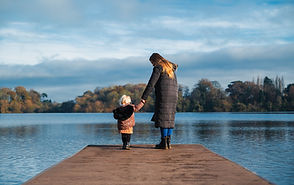
Ellesmere is often described as the “Lake District of Shropshire” — not for mountains, but for water.
Scattered across the surrounding landscape are a series of 9 glacial meres, formed at the end of the last Ice Age over 10,000 years ago. These natural lakes are rare in England, creating a distinctive wetland environment rich in wildlife and tranquillity.
At the heart of the town lies The Mere, a broad sweep of open water framed by woodland and parkland. It is one of the largest natural meres in the country and forms part of the internationally significant Midland Meres and Mosses wetland network. A lakeside & woodland path allows visitors to explore much of its shoreline, with ever-changing views across the water.
Just a short distance away, Colemere offers a different experience. Smaller and more intimate, it is encircled by a complete circular walking route, allowing visitors to fully immerse themselves in its peaceful setting.
Beyond these two, the wider family of meres — including Whitemere, home to the local sailing club — each adds its own character to the landscape.
Together, they form one of Shropshire’s most distinctive natural environments, where wildlife, recreation and open skies define the rhythm of life around Ellesmere.
the mere's - water, wildlife and open skies
A Landscape Shaped by Ice
The Mere was formed around 12,000 years ago at the end of the last Ice Age. As glaciers retreated, they left deep depressions known as kettle holes which gradually filled with meltwater, creating the meres we see today. The surrounding landscape of sands, gravels and glacial clay gives the area its distinctive character and supports a diverse range of habitats.
History and Heritage
The Mere and its surroundings have played an important role throughout history. Evidence suggests the area was used by prehistoric communities, while the nearby Motte and Bailey Castle became an important defensive site during the Norman period.
Over the centuries the landscape evolved from a working environment to a place of leisure and recreation. Historic features including Ellesmere House, garden terraces and parkland reflect the area's aristocratic past and continue to contribute to its unique character today.
wildlife
The meres are alive with movement — sometimes dramatic, sometimes almost imperceptible.
Along the shoreline of The Mere, grey herons are a familiar and much-loved sight. From the Boathouse, visitors can take part in seasonal Heron Watch, observing these tall, elegant birds as they nest and raise their young high in the treetops. Watching a heron lift slowly from the water’s edge or glide silently across the lake is one of Ellesmere’s most iconic wildlife moments.
The open water is often filled with the sound of geese, both resident and migrating species that gather here throughout the year. In autumn and winter, visiting wildfowl join them, bringing changing patterns of movement and noise to the lake. Swans are a constant, graceful presence, adding to the calm beauty of the water.
The reed beds and wet margins provide habitat for dragonflies, damselflies and a wide range of aquatic life. Woodland edges around the meres support owls, woodpeckers and countless smaller songbirds, making the area rewarding for both casual walkers and dedicated wildlife enthusiasts.
Whether you’re standing quietly by the water or strolling the lakeside paths, the wildlife here is never far away — it simply asks you to slow down and notice.
Things to See and Do
The Mere is a popular destination for walking, wildlife watching and outdoor recreation.
Visitors can enjoy:
-
Scenic lakeside and woodland walks
-
The all-ability trail and promenade
-
Formal gardens and specimen trees
-
Wildlife watching throughout the seasons
-
Canoeing, kayaking, paddleboarding and boating
The promenade provides some of the best views across the water and is a favourite spot for observing birds and local wildlife.
Visitor Facilities
The Mere is home to a range of facilities designed to help visitors make the most of their visit:
-
Visitor information and interpretation
-
The Boathouse café and restaurant
-
Community room available for hire
-
Public toilets
-
Play areas and picnic spaces
-
Accessible walking routes
-
Coffee bar and Ice Cream Hut
During spring, visitors can also view live images of nesting herons on Moscow Island through live camera's situated in the Boathouse - but don't be fooled The Mere is a 7 minute walk to Town so don't miss out on spending a whole day exploring!